
Tips for Visiting Burj Khalifa: A Complete Guide

Burj Khalifa stands 828 meters tall in downtown Dubai, making it the world’s tallest building. Visiting its observation decks requires advance planning, strategic timing, and understanding of Dubai’s climate patterns. This guide explains how to optimize your visit through proper booking, timing selection, and practical preparation.
Burj Khalifa’s Observation Deck Options
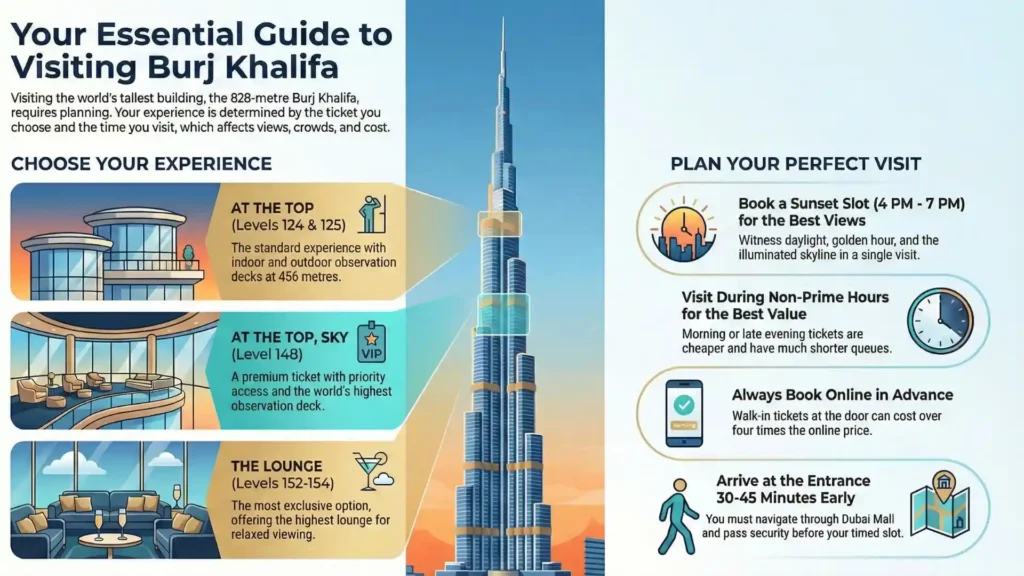
Burj Khalifa offers three main visitor experiences: standard observation decks on Levels 124 and 125, a premium SKY experience including Level 148, and the Lounge, Levels 152-154.
At The Top (Levels 124 and 125)
Provides access to observation decks at 452 and 456 meters. This represents the standard visitor experience. Tickets range from AED 159 to AED 379 depending on time slot selection. Level 124 features an outdoor terrace with 360-degree views, while Level 125 houses interactive displays and augmented reality installations.
At The Top SKY (Level 148)
Includes everything from the standard experience plus access to the 148th floor at 555 meters—the highest observation deck globally accessible to the public. At the top SKY tickets cost AED 399 to AED 553 and include priority elevator access, reduced wait times, a guided tour by Guest Ambassadors, complimentary refreshments in the SKY lounge, and fewer crowds. The 148th floor limits visitor numbers to maintain a premium experience.
The Lounge (Levels 152, 153, and 154)
Functions as a premium alternative viewing experience that requires a lounge reservation rather than standard observation deck tickets. Located at 585 meters, it is the highest lounge in the world open to the public and offers access to indoor and outdoor seating areas.
Reservations are time-based and include light refreshments such as tea, coffee, soft drinks, and selected snacks, depending on the chosen package and time of day. Unlike standard observation decks, The Lounge provides a quieter environment with significantly fewer visitors, extended seating, and an emphasis on relaxation rather than structured sightseeing.
This option appeals to visitors who prioritize exclusivity, comfort, and minimal crowds over interactive exhibits or guided explanations. While pricing is higher than Levels 124 and 125 and comparable to premium SKY experiences, The Lounge offers the highest accessible altitude in Burj Khalifa without requiring a formal dining commitment.
The distinction matters because each option serves different priorities. Budget-conscious visitors favor At The Top during non-prime hours. Those valuing time efficiency or traveling with children often find SKY tickets worthwhile despite higher cost. Visitors seeking extended viewing time sometimes choose restaurant reservations over timed observation deck slots.
How Ticket Pricing Actually Works
Burj Khalifa ticket prices vary by time of day, demand, and booking method, with sunset slots costing the most and advance online booking offering the lowest prices.
| Feature | At The Top (124 & 125) | At The Top SKY (148) | The Lounge (152-154) |
| Height | 456 Meters | 555 Meters | 585 Meters |
| Best For | Budget / Families | Photographers / VIPs | Couples / Luxury |
| Queue Time | 30–60 mins (Standard) | 5–10 mins (Fast Track) | 5–10 mins (Fast Track) |
| Inclusions | Observation Deck access | Guided Tour + Snacks | Bubbly + Canapes |
| Vibe | Busy & Interactive | Exclusive & Quiet | Ultra-Premium / Social |
Booking 120 days in advance (the maximum allowed period) doesn’t guarantee lower prices—only availability. Prices fluctuate based on demand algorithms. The practical approach involves checking prices when you know travel dates, then booking once you find acceptable timing and cost alignment.
Why Timing Determines Your Experience Quality
Dubai’s desert climate and urban environment create specific visibility patterns that directly impact what you can see from 828 meters.
The best time to visit Burj Khalifa depends on visibility, lighting conditions, and crowd levels, which change significantly throughout the day due to Dubai’s climate and atmospheric patterns.
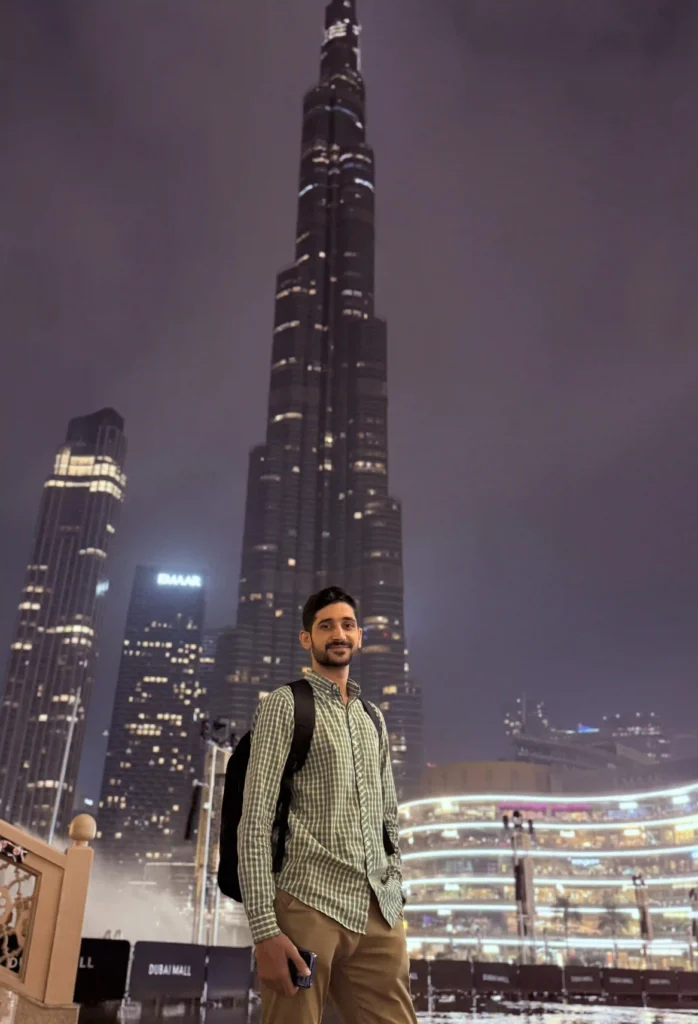
The intersection of weather, light quality, and crowd levels means a Tuesday morning in December might offer crystal-clear views with minimal wait times, while a Saturday sunset in January could involve 60-minute queues despite advance tickets.
The Actual Booking and Arrival Process
Visitors must enter Burj Khalifa through Dubai Mall, pass security screening, and queue before reaching the observation decks, making early arrival essential even with advance tickets.
Many visitors underestimate the time required between arriving in the area and reaching the observation deck.
The entrance location: Creates the first common confusion point. Burj Khalifa’s observation deck entrance sits inside Dubai Mall on the Lower Ground Floor, not at the tower’s base. Navigation requires entering the mall, then following “At The Top” directional signs through retail areas to reach the dedicated entrance plaza. From Dubai Mall’s main entrance to the observation deck ticketing area typically requires 15 to 25 minutes of walking through crowds and navigated spaces.
Parking strategy: Affects arrival time significantly. Dubai Mall offers multiple parking zones. Cinema Parking (Green) and P1 Parking place you closest to the Burj Khalifa entrance area. Grand Parking requires 20+ minutes of additional walking. The metro station (Burj Khalifa/Dubai Mall on the Red Line) connects to the mall via air-conditioned walkway requiring 15 to 20 minutes to reach the tower entrance.
Pro Suggestion: Read our detailed guide about Burj Khalifa Parking.
The ticket time: Printed on your confirmation indicates when your queue experience begins, not when the elevator departs. Even with advance tickets, expect 30 to 60 minutes from check-in to reaching Level 124 during busy periods. The process involves security screening (airport-style metal detectors and bag checks), multimedia presentations about the tower’s construction, elevator queuing, and the actual high-speed elevator ride.
Recommended arrival timing: Means reaching the observation deck entrance area 30 to 45 minutes before your ticket time. This buffer accommodates mall navigation, unexpected crowds, and security processing. Late arrivals may forfeit their time slot without refund—the system enforces strict scheduling to prevent overcrowding on the observation decks.
SKY ticket holders: Bypass approximately 60-80% of the standard queue through dedicated check-in areas and express elevators. For families with young children or visitors with limited time, this represents the primary value proposition beyond the 148th floor access itself.
What Happens During the Actual Visit
A Burj Khalifa visit follows a structured flow: high-speed elevator ascent, time on observation decks across multiple levels, and a one-way descent through exhibition areas.
The elevator ascent
Takes approximately 60 seconds to reach Level 124, traveling at 10 meters per second. During ascent, ceiling-mounted displays show a digital representation of your climbing height with comparative landmarks appearing as you pass their equivalent levels. The elevator system uses double-deck cars, meaning two floors of visitors travel simultaneously in the same shaft.
Level 124 (outdoor terrace)
Functions as the primary viewing platform. The outdoor space allows unobstructed photography through horizontal openings in the protective railings. High-powered telescopes positioned around the perimeter can identify specific landmarks, though they often have queues during peak hours. The outdoor area experiences wind, particularly during winter months when gusts can reach 30-40 km/h at that altitude. Temperature typically runs 5-10°C cooler than ground level.
Level 125 (indoor deck)
Provides climate-controlled viewing through floor-to-ceiling glass panels. Interactive touchscreens offer augmented reality features that overlay historical images on current views and identify buildings and landmarks in real-time. This level includes the photography sales area where professional photos taken during your visit can be purchased.
Level 148 (SKY lounge)
Limits visitor numbers through timed 30-minute slots. Guest Ambassadors provide guided explanations of Dubai’s development and point out specific landmarks. Complimentary refreshments include Arabic coffee, dates, tea, and small pastries. After the 30-minute guided portion, SKY visitors can access Levels 124 and 125 without time restrictions.
Visit Duration and Exit Flow
Average visit duration ranges from 60 to 90 minutes for At The Top tickets and 90 to 120 minutes for SKY experiences. The system doesn’t enforce exit times on Levels 124 and 125—you can remain as long as desired, though most visitors naturally leave after capturing desired photos and viewing all perspectives.
Descent routing Channels visitors through exhibition areas showcasing the tower’s construction process, engineering challenges, and architectural details. This one-way path prevents you from returning to observation decks after beginning descent.
Practical Photography Considerations
Photography at Burj Khalifa is affected by glass reflections, lighting changes, and altitude-related haze, making outdoor terrace access and reflection control techniques especially important.
Glass reflection management: Represents the primary obstacle. The thick protective glass reflects both interior lighting and your own camera equipment. Pressing your lens directly against the glass eliminates most reflections but isn’t always practical or allowed in all areas. Using a rubber lens hood or black cloth draped over your camera and the glass creates a light seal that blocks reflections while allowing you to shoot through the glass at slight angles.
The outdoor terrace solution eliminates glass entirely. Level 124’s outdoor areas include horizontal gaps in the protective railings wide enough to position your camera lens through for completely unobstructed ground photography. This technique produces the sharpest possible images but requires careful equipment handling to prevent drops.
Optimal photography equipment includes a wide-angle lens (16-35mm range) for capturing broad cityscapes and including multiple landmarks in single frames. A telephoto zoom (70-200mm) allows isolation of specific buildings, roads, or patterns. Dubai’s grid layout and Palm Jumeirah’s distinctive shape become clear only from altitude, making these worthwhile subjects. Tripods generally aren’t permitted, but high ISO capability and image stabilization allow handheld shooting in evening conditions.
Light direction matters more at extreme heights than ground level. During sunset, the western-facing side receives warm golden light, while eastern views show cooler blue tones and lengthening shadows. The transition from day to night takes approximately 45 minutes, during which color temperature shifts rapidly. Shooting in RAW format allows post-processing flexibility to address the challenging dynamic range between brightly lit areas and deepening shadows.
The fog factor occasionally creates unexpected creative opportunities. When Dubai experiences low fog, observation decks can rise above the fog layer, creating ethereal cloudscapes with building tops piercing through. This occurs perhaps 5-10 days per year, typically winter mornings. While it obscures ground details, it produces distinctive images impossible to capture under clear conditions.
Dubai’s Weather Patterns and Visibility
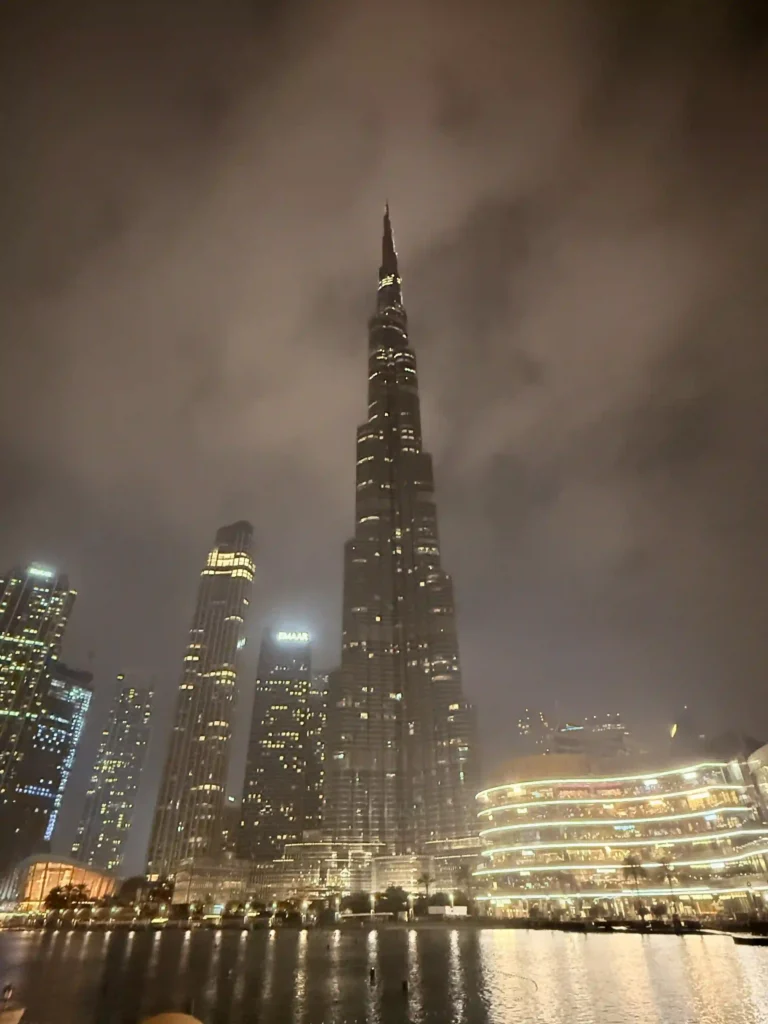
Visibility from Burj Khalifa is influenced by desert haze, seasonal fog, humidity, and temperature changes, with winter months generally offering clearer views than summer.
Visibility from Burj Khalifa is influenced by desert haze, seasonal fog, humidity, and temperature changes, with winter months generally offering clearer views than summer.
The haze phenomenon results from desert dust particles suspended in the atmosphere combined with humidity from the Persian Gulf. This creates a whitish atmospheric layer that reduces contrast and color saturation, particularly during summer months (May through September). The haze isn’t fog—it’s a consistent atmospheric condition that doesn’t burn off like morning fog. Maximum clarity typically occurs during winter months (December through February) following occasional rain systems that cleanse the atmosphere.
Winter fog patterns occur when cool overnight temperatures cause moisture condensation near ground level. This typically happens November through March, most frequently in December and January. Fog usually dissipates by mid-morning as temperatures rise. Checking Dubai weather forecasts the evening before your scheduled visit provides reasonable fog prediction accuracy.
Seasonal visibility trade-offs present a choice between weather comfort and visual clarity. Winter (November-March) offers pleasant 20-25°C temperatures and generally better visibility, but higher fog risk and peak tourist crowds. Summer (June-September) brings 35-45°C heat, more atmospheric haze, but fewer tourists and lower ticket demand. Shoulder months (April-May, October-November) balance moderate weather, reasonable visibility, and manageable crowd levels.
Time-of-day clarity shifts follow predictable patterns. Morning fog (when present) clears by 10-11 AM. Midday heat creates maximum haze through rising thermals. Late afternoon as temperatures drop often provides the day’s clearest views, explaining why sunset slots remain popular beyond just the lighting quality.
The practical implication: viewing conditions involve probability rather than certainty. No combination of season and time guarantees perfect clarity. The official At The Top mobile app displays current visibility conditions, allowing morning-of assessment before departing for the tower.
Dress Code and Security Requirements
Burj Khalifa enforces modest smart-casual dress standards for observation decks and airport-style security screening that restricts large bags, strollers, and prohibited items.
Observation deck dress code follows “smart casual” standards with modest coverage requirements. Shoulders should be covered—sleeveless tops are discouraged though not strictly prohibited. Shorts and skirts should extend to or below the knee. The policy reflects Dubai’s cultural norms while remaining more relaxed than requirements for mosques or government buildings. Enforcement is inconsistent—individual security staff may apply different standards—but adhering to coverage guidelines prevents potential entry issues.
Pro Suggestion: For a detailed overview, read out full guide on Burj Khalifa dress code.
At.mosphere restaurant enforces stricter “smart elegant” requirements. Men need collared shirts, dress trousers or quality dark jeans, and closed-toe shoes (no sneakers or sandals). Women should wear dresses, skirts, or tailored pants with elegant tops. The restaurant refuses entry to guests in casual wear regardless of reservation status, and refunds are not provided for dress code violations.
Temperature considerations matter because Dubai’s climate varies dramatically between outdoors and indoors. Ground-level temperatures may reach 35-40°C in summer, while observation deck outdoor areas at 450+ meters altitude can be 10°C cooler with significant wind chill. Indoor spaces maintain aggressive air conditioning at 18-20°C. Bringing a light jacket or sweater proves valuable even during summer visits.
Security screening prohibits large bags, backpacks, strollers, sharp objects, and outside food or beverages. The screening process mirrors airport security—metal detectors, bag X-rays, and manual inspection of suspicious items. Free luggage storage is available for prohibited items, but the retrieval process after your visit can add 15-20 minutes. Small purses, camera bags, and phone pouches pass through security without issue.
The Dubai Fountain Integration
Dubai Fountain sits in the Burj Lake directly at the tower’s base, creating a complementary viewing experience.
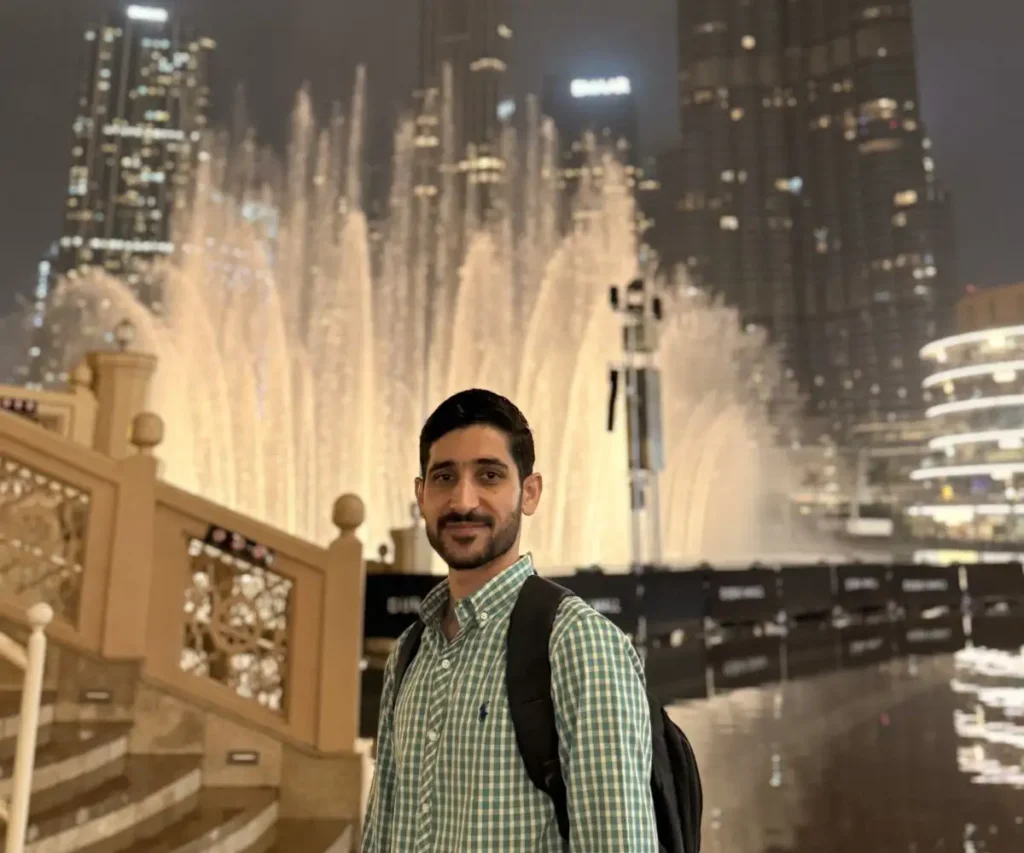
Show timing follows a fixed schedule. Afternoon performances run at 1:00 PM and 1:30 PM Thursday through Saturday, and at 1:00 PM and 2:00 PM on Friday. Evening shows operate every 30 minutes from 6:00 PM until 11:00 PM daily. Each performance lasts approximately 5 minutes, featuring choreographed water jets reaching up to 150 meters height synchronized to music ranging from classical Arabic compositions to contemporary pop songs.
Viewing from Burj Khalifa creates a unique top-down perspective of the fountain’s geometric patterns and synchronization. The choreography designs look different from altitude than from ground level—circular and radial patterns become clearly visible that ground observers cannot perceive. Timing your observation deck visit to coincide with a fountain show (easily checked via the fountain schedule) adds value without additional cost.
Ground-level viewing locations each offer distinct perspectives. The Waterfront Promenade along Dubai Mall provides the standard viewing area—free access but crowded, particularly on weekends. The Souk Al Bahar Bridge positions viewers slightly elevated and less crowded. The Dubai Fountain Boardwalk costs AED 20-33 but places you within the fountain area itself for closer perspectives. Abra boat rides (traditional Arabic boats) cost AED 65 and allow fountain viewing from the water.
Optimal photography approach from ground level requires arriving 10-15 minutes before show time to secure position directly facing the fountain with Burj Khalifa in the background. The tower’s illumination combined with fountain jets and choreographed lighting creates the iconic Dubai nighttime image. A wide-angle lens (16-24mm) captures both fountain and tower in a single frame.
Money-Saving Strategies Without Compromising Experience
Visitors can reduce Burj Khalifa costs by booking non-prime hours, purchasing combination tickets, or choosing dining access instead of premium observation deck tickets.
Non-prime hour booking represents the simplest savings method. A 10:00 AM visit costs AED 159 versus AED 244+ for 5:00 PM on the same day—a 35% reduction for identical access. The trade-off involves missing sunset, but morning visits offer better clarity in many cases and dramatically shorter queues.
Combination tickets bundle Burj Khalifa with other Dubai attractions at 20-30% discounts versus separate purchases. Common packages include Dubai Aquarium and Underwater Zoo, Dubai Ice Rink, or KidZania. These prove cost-effective only if you genuinely plan to visit the included attractions—don’t purchase activities solely because they’re bundled.
Dining alternative calculation shows that At.mosphere breakfast or lunch (AED 450-650 minimum spend including food and drinks) competes favorably against SKY tickets (AED 500+) when you factor in meal value and unlimited viewing time. The 122nd floor sits 10 meters lower than Level 124 but provides a full dining experience rather than a timed observation slot.
Emirates boarding pass discount sometimes offers 30% reductions for Emirates flight passengers booking within 48 hours of their Dubai arrival. Availability varies seasonally and isn’t guaranteed, but worth checking if you arrive via Emirates.
Free alternatives include viewing Burj Khalifa from Burj Park (ground-level perspective with clear tower views), watching Dubai Fountain shows from any public vantage point (completely free), or photographing the tower from various Dubai locations without paying for observation deck access. These options suit travelers prioritizing photography of the tower itself rather than views from it.
Common Planning Mistakes and How to Avoid Them
The most common Burj Khalifa planning mistakes include underestimating mall navigation time, ignoring weather conditions, arriving late for timed tickets, and scheduling other activities too close together.
Underestimating Dubai Mall’s scale causes many visitors to arrive at the mall entrance assuming quick access to the tower. The mall encompasses 1,200+ shops across multiple levels with multiple entrance points spread over nearly 1 kilometer. From wrong entrances, reaching the Burj Khalifa observation deck entrance can require 30+ minutes of walking and navigation. Solution: Use metro to Burj Khalifa/Dubai Mall station or park in Cinema/P1 zones, and allocate 20 minutes minimum for mall navigation even from optimal starting points.
Ignoring weather forecasts leads to bookings during foggy mornings or hazy afternoons when visibility barely extends beyond 5 kilometers. While weather isn’t controllable, checking forecasts allows rescheduling (if done within the allowed modification window) or setting appropriate expectations. The At The Top app displays real-time visibility conditions.
Booking too close to schedule constraints creates stress when queues run longer than expected. Visitors scheduling observation deck visits with only 90 minutes before dinner reservations or other commitments frequently face difficult choices between rushing their visit or missing subsequent plans. Recommendation: Block 3 hours minimum from observation deck arrival to your next fixed commitment.
Inappropriate footwear becomes apparent only after 45 minutes of standing in queues and walking through Dubai Mall. High heels or unsupportive sandals cause discomfort that detracts from the experience. Dubai requires extensive walking in most tourist activities—comfortable, supportive shoes represent essential equipment.
Inadequate device charging becomes critical when phones die during or immediately after the visit. Limited charging options exist on observation decks, and you’ll want camera and phone functionality throughout the 90+ minute experience plus Dubai Mall navigation afterward. Fully charge devices beforehand or carry a portable battery pack.
Late arrival for timed tickets sometimes results from underestimating traffic or mall navigation. The ticketing system maintains strict time slots to prevent overcrowding. Arriving after your designated window may result in refused entry without refund, though staff occasionally show flexibility during low-demand periods. This isn’t guaranteed—don’t rely on it.
Accessibility and Special Considerations
Burj Khalifa maintains accessibility features while facing inherent limitations of a 160-floor structure built in 2010.
Wheelchair accessibility covers all essential areas. Elevators accommodate wheelchairs, observation decks feature ramped access and adequate circulation space, and accessible restrooms exist on Level 124. Dubai Metro trains and stations include elevator access and designated wheelchair areas. Dubai Mall provides wheelchairs free through Guest Services desks.
Mobility limitations without wheelchairs face challenges during peak periods when queues involve extended standing. SKY tickets reduce standing time by 60-80% through express lanes—a consideration for visitors with conditions like arthritis or balance issues where wheelchairs aren’t needed but extended standing causes difficulty.
Service animals face restrictions. Guide dogs and service animals for disabled visitors are not permitted in observation deck areas due to building regulations. This policy creates access issues for visually impaired visitors who rely on service animals. Dubai’s climate (extreme outdoor heat) adds complexity to service animal travel generally.
Visitors with young children should note that strollers cannot be taken past security screening. Free stroller parking exists at the security checkpoint, and children must be carried or walk from that point. The 60+ minute timeline from check-in to observation deck means toddlers who cannot walk independently require carrying for extended periods. Baby changing facilities are available on Level 124.
Altitude sensitivity rarely creates issues at 450-550 meters, but individuals with heart conditions, respiratory issues, or severe altitude sensitivity should consult physicians before visiting. The enclosed, climate-controlled environment differs significantly from mountain altitude exposure. Oxygen levels remain normal through building pressurization.
Sensory considerations for visitors on the autism spectrum or with sensory processing conditions: the experience involves loud multimedia presentations during queue areas, high-speed elevator acceleration forces, extreme heights visible through glass floors in some sections, and crowded spaces during peak hours. SKY tickets reduce crowd density but don’t eliminate sensory stimulation.
Cultural Context and Behavioral Expectations
Dubai’s position as an international hub creates a relatively liberal environment compared to regional norms, but cultural awareness remains important.
Physical contact between couples follows moderation expectations. Hand-holding is normal and accepted. Kissing or intimate contact draws disapproval and can technically result in police involvement, though enforcement against tourists is rare. The observation decks represent public spaces where conservative behavior standards apply.
Photography restrictions prohibit photographing people without consent, particularly local Emirati women. While tourist photography of cityscapes and landmarks is encouraged, directing cameras toward individuals requires discretion. Military or government facilities visible from altitude should not be the primary subject of photography, though they can appear incidentally in city views.
Alcohol availability is limited to licensed restaurants like At.mosphere. The observation decks themselves are alcohol-free. Dubai licenses alcohol service in hotels, certain restaurants, and designated bars, but public intoxication violates local law regardless of tourist status.
Prayer times occur five times daily according to Islamic schedule. During prayer times, some services may pause briefly, though major tourist facilities like Burj Khalifa maintain continuous operation. During Ramadan (the Islamic fasting month), Muslims fast from sunrise to sunset. Non-Muslims can eat and drink normally, but discretion is appreciated—avoid eating openly in view of fasting individuals during daylight hours. Dubai Fountain show schedules shift during Ramadan to accommodate post-sunset timing.
Language considerations show English as the primary business and tourism language in Dubai. All signage, announcements, and staff interactions at Burj Khalifa occur in English and Arabic. Translation needs are minimal for English speakers.
Tipping culture differs from Western norms. Service charges are typically included in restaurant bills, making additional tipping optional rather than expected. For exceptional service, 10% represents generous appreciation. Observation deck staff don’t expect tips for guidance or assistance.
Final Preparation Checklist
Successful visits require coordinating multiple factors simultaneously.
Two to four weeks before: Book observation deck tickets through the official At The Top website after comparing prime versus non-prime pricing for your travel dates. Sunset slots during peak season (November-April) require longer advance booking—sometimes 6-8 weeks. Verify ticket confirmation emails and save digital copies accessible offline.
One week before: Download the official “At The Top” mobile app which provides queue status, current visibility conditions, and navigation assistance. Check Dubai weather forecasts for fog risk if booking morning slots or haze conditions if booking afternoon slots. Review Dubai Fountain show schedules and note show times coinciding with your observation deck window if you plan to coordinate viewing.
Day before: Check real-time visibility conditions via the At The Top app or online weather services. If visibility shows as poor and you’re within the modification window, consider rescheduling. Charge all camera equipment, phones, and portable battery packs fully.
Day of visit: Wear modest clothing covering shoulders and knees, comfortable walking shoes, and bring a light jacket regardless of season. Arrive at observation deck entrance 30-45 minutes before ticket time—earlier if navigating Dubai Mall for the first time. Use restroom before security screening (facilities exist on Level 124 but often have queues). Carry small bags only to simplify security screening. Ensure devices are charged and have adequate storage space for photos.
During visit: Turn off camera flash (creates glass reflections). Use outdoor terrace areas on Level 124 for unobstructed photography through railing gaps. Take advantage of free telescope use for landmark identification. Don’t rush—your ticket doesn’t enforce exit times on Levels 124 and 125.
After visit: The descent route passes through construction exhibition areas—allow 15-20 minutes for this section if you’re interested in architectural details. Factor in Dubai Mall navigation time for any subsequent activities. Dubai Fountain shows occur every 30 minutes evening (6:00-11:00 PM)—watching from ground level after your observation deck visit provides contrasting perspectives of the same landmark.
Making the Decision: Is Visiting Burj Khalifa Worthwhile?
Visiting Burj Khalifa is worthwhile for first-time Dubai visitors, architecture enthusiasts, and photographers, but may offer limited value for repeat visitors or travelers prioritizing cultural experiences over landmarks.
Burj Khalifa offers an unmatched perspective on Dubai’s urban development and geographic context. From 450+ meters, the city’s relationship to the Persian Gulf, the planned geometry of Palm Jumeirah, the stark transition from urban development to empty desert, and the scale of Dubai’s construction ambitions become visually comprehensible in ways impossible from ground level. For first-time Dubai visitors or architecture enthusiasts, this perspective justifies the cost and time investment.
The experience provides diminishing returns for repeat visitors or those with limited Dubai time. Ground-level landmarks like Dubai Mall, Gold Souk, Dubai Creek, and cultural sites in areas like Al Fahidi Historical District offer more varied experiences for the same time investment. Visitors prioritizing cultural immersion over landmark-checking may find observation deck visits less satisfying than alternative uses of time and budget.
Photography considerations weigh heavily for many visitors. If capturing Dubai cityscape images represents a primary trip goal, the observation decks deliver unique vantage points impossible to replicate elsewhere. If photography isn’t a priority, the views offer “once is enough” value for most travelers.
Families with children face mixed outcomes. Interactive exhibits on Level 125 maintain interest for ages 6-12. Children under 6 often struggle with extended queuing and show limited appreciation for skyline views. The experience lacks the engagement level of theme parks or interactive attractions, making it better suited for older children and teenagers.
Budget-conscious travelers should compare the AED 159-550 per person cost against alternative Dubai activities. Desert safari tours, dhow dinner cruises, cultural site visits, or saving those funds for dining and shopping provide different value profiles. Burj Khalifa represents a premium experience commanding premium pricing—worthwhile for some itineraries, but not essential for experiencing Dubai comprehensively.
The observation deck visit ultimately delivers on its promise: access to the world’s highest vantage point in a well-managed, professionally operated facility. Whether that aligns with your travel values, budget, and priorities determines its appropriateness for your specific Dubai visit.


